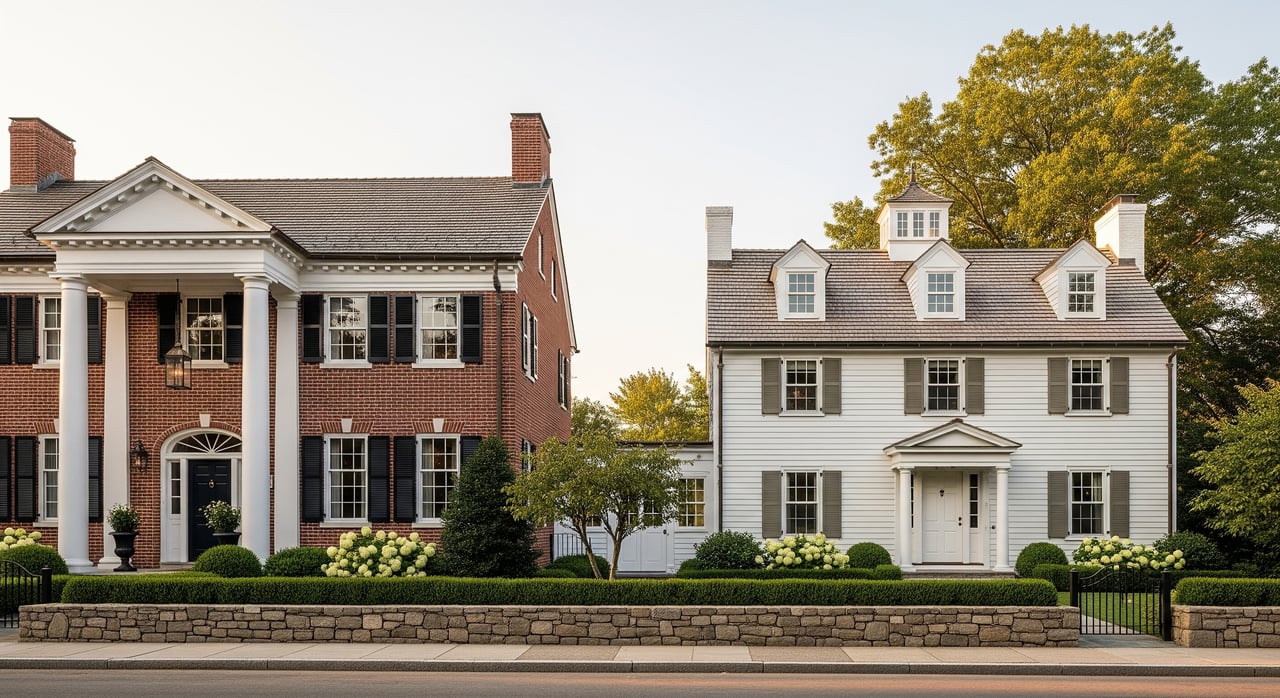
Wondering whether a Colonial or a Cape Cod fits your life in Wethersfield? You are not alone. These two classics show up on nearly every tour, and each one lives very differently once you move in. In this guide, you will learn how the layouts compare, what expansions actually cost and involve, what to watch during inspections, and how local permits and historic rules affect your plans. Let’s dive in.
Wethersfield context: styles you’ll see
Wethersfield is one of Connecticut’s oldest towns. That history shows up in streets where 18th and 19th century homes sit near 20th century Colonial Revivals and midcentury Cape Cods. You will find older, often larger Colonials near the town center and many Cape Cods in neighborhoods built between the 1920s and 1950s.
Lot sizes and setbacks vary across town. In-town lots can be smaller with tighter setbacks, while later subdivisions often offer deeper yards. Some areas near the Connecticut River may have floodplain considerations. Several neighborhoods also fall within designated historic districts where exterior changes can require review.
Colonial vs. Cape Cod at a glance
Cape Cod footprint and daily living
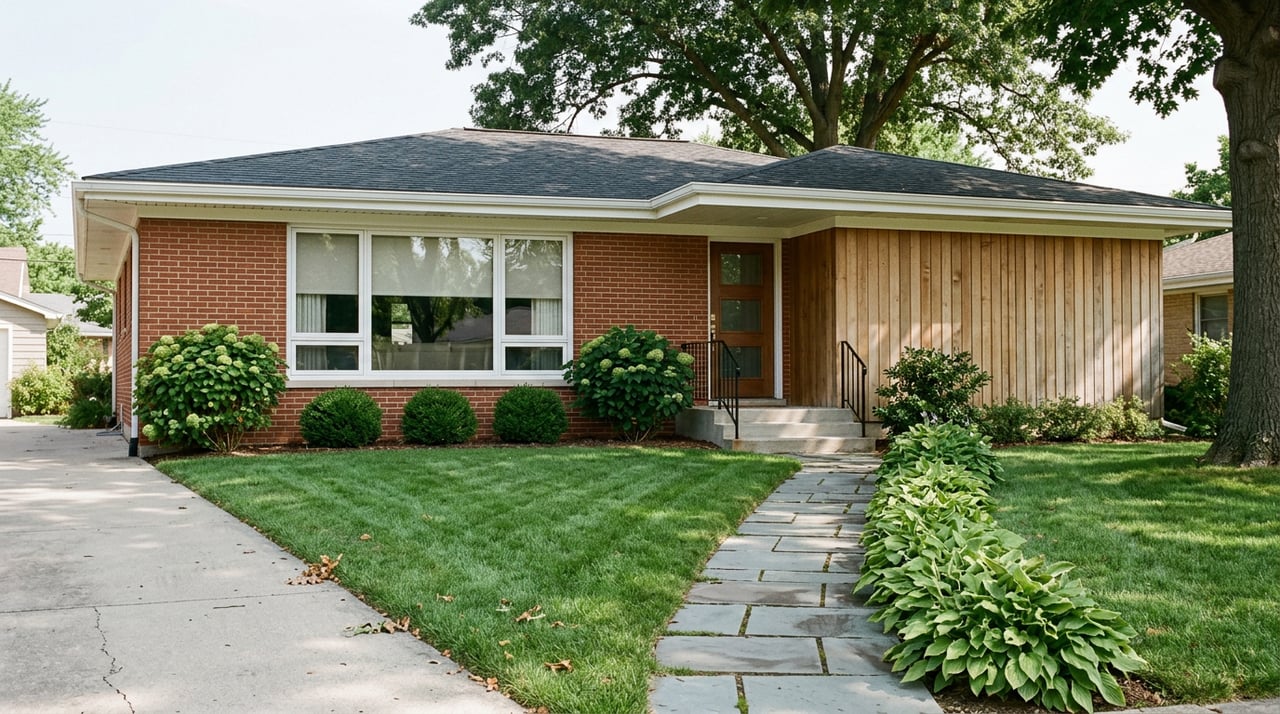
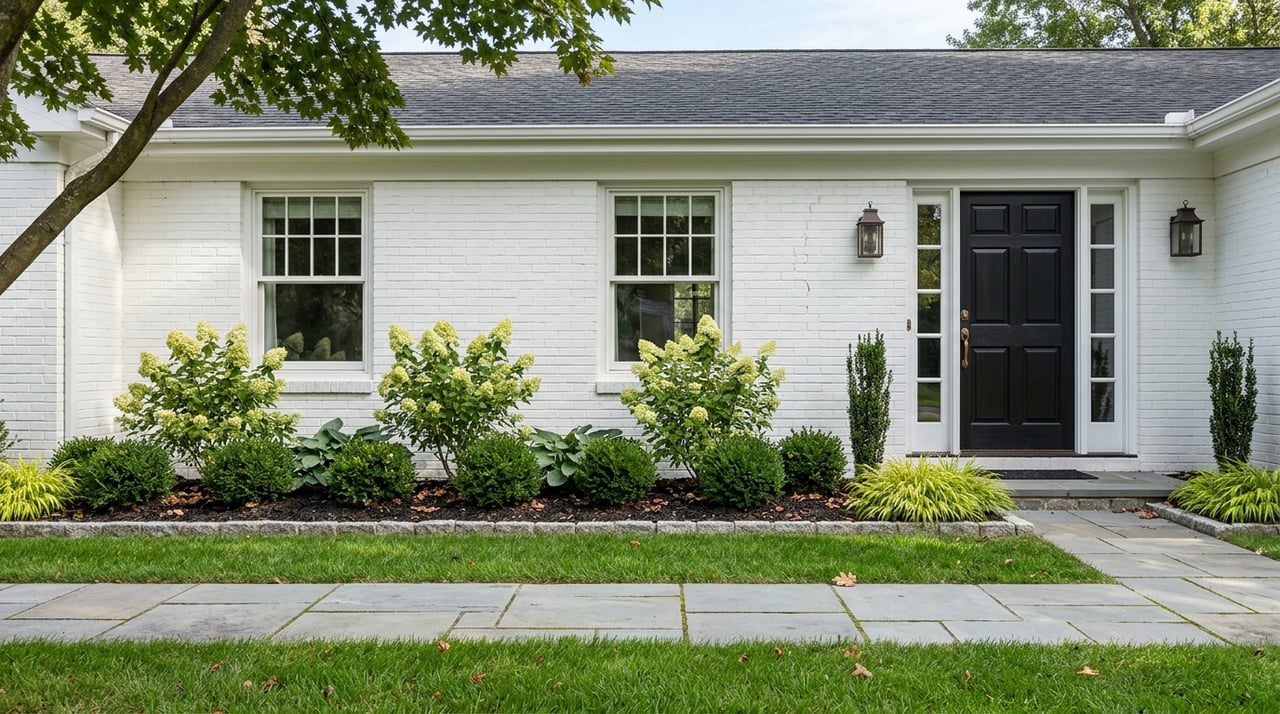
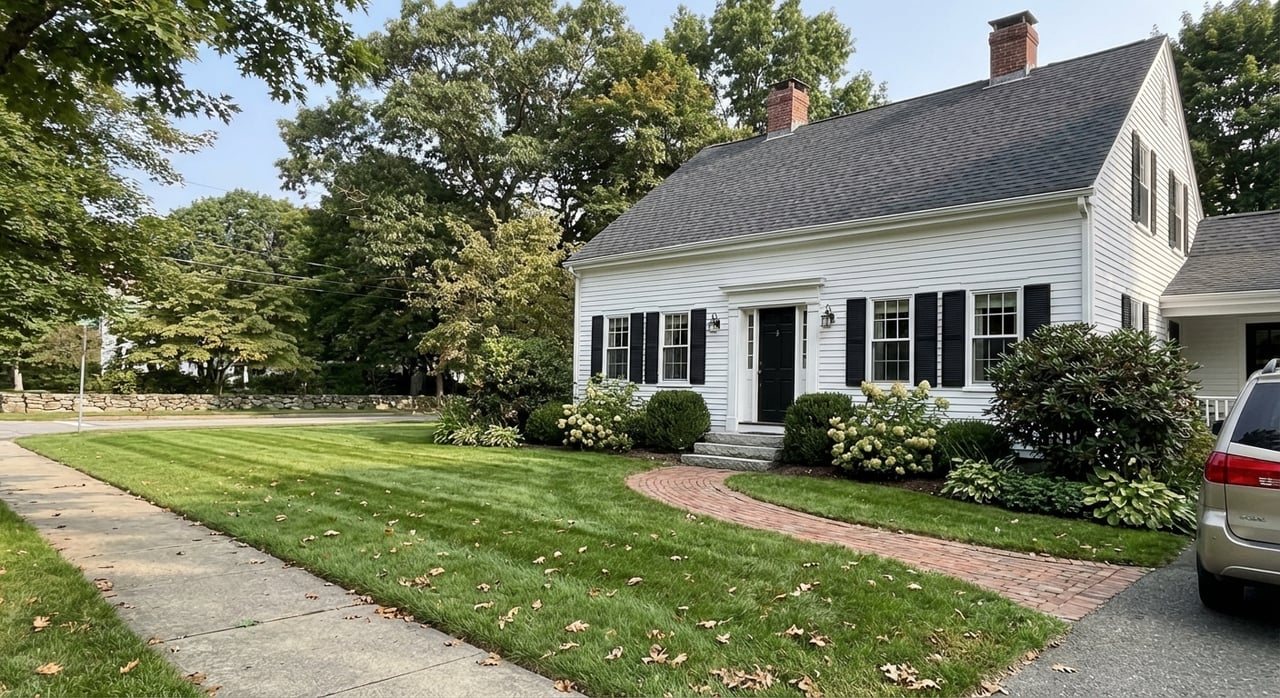
Capes are generally 1 to 1.5 stories with steep gables and a compact rectangular plan. Many original Capes have first-floor bedrooms and small second floors with sloped ceilings and knee walls. You get fewer hallways, smaller kitchens and baths in original layouts, and rooms that often serve multiple purposes. If you want cozy single-level living or plan to add dormers for more headroom upstairs, a Cape can work well.
Colonial footprint and daily living
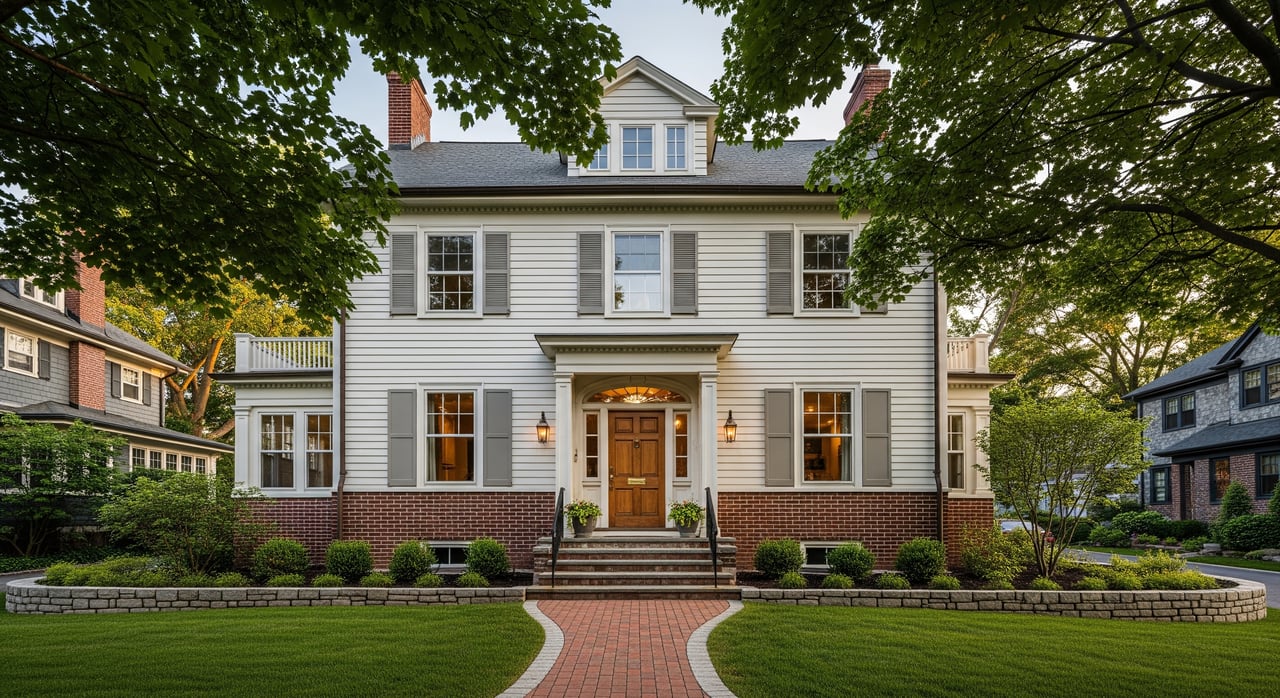
Colonials are usually two full stories with a center hall and rooms on both sides. Bedrooms are typically on the second floor, with taller ceilings and larger room sizes than a Cape. You gain more existing square footage and storage, which gives you flexibility to rework the kitchen, add a family room, or create extra baths without major roof changes. If you want space and easier reconfiguration, a Colonial is a strong starting point.
What this means for space and storage
A Cape’s upper level uses the roof slope, so headroom and closet space can be limited unless you add dormers. Colonials offer full-height rooms upstairs from day one. For buyers who want three or more full-height bedrooms and a primary suite, a Colonial often meets the brief with fewer structural changes.
Renovation realities in Wethersfield
Cape Cod expansion paths
- Add dormers to create usable upstairs bedrooms and baths. This is less invasive than raising the whole roof but still involves roof framing, flashing, and new insulation and air sealing.
- Build a rear or side addition to enlarge the kitchen and add a family room. Expect new foundation work and tie-ins for plumbing, electrical, and HVAC.
- Consider a garage with a second-floor bonus room to gain space without altering the main roof.
- Finish the basement if ceiling height and moisture allow.
Pros: dormers and modest additions preserve curb appeal while adding function. Cons: converting a Cape to full two-story living or open plans can be structurally involved and may require substantial insulation and system upgrades per square foot.
Colonial expansion paths
- Add a rear single or two-story addition to enlarge the kitchen and create suites. Two-story additions often deliver bedrooms and baths without major roof changes.
- Reconfigure the center hall plan for a more open feel. You may remove non-bearing partitions or reframe bearing walls with beams.
- Add a garage with a mudroom and second-floor suite, or finish an existing attic or basement.
Pros: the full second floor and larger footprint make Colonials easier to expand without complex roof work. Cons: homes inside historic districts can have stricter exterior controls that shape design choices.
Permits, zoning, and historic review
Before you draw plans, confirm permit needs with the Town of Wethersfield Building Department. If the home is in a historic district, the Historic District Commission may need to review exterior changes visible from public ways. Check setbacks, lot coverage, height limits, and any floodplain rules that could affect your design. When in doubt, consult the Town Planner or building official early.
Cost drivers that surprise buyers
- Roof work and dormers on Capes tend to cost more per added square foot than a ground-level rear addition because you are opening and reframing the roof and managing waterproofing.
- Raising a Cape’s roof to create a full second story is among the most disruptive and expensive options.
- Moving kitchens and baths triggers plumbing, electrical, and HVAC changes. Many older homes also need service upgrades or conversions to modern heating and cooling.
- Use regional cost benchmarks and local contractor bids to set realistic budgets. Finish level and structural complexity can swing costs significantly.
Mechanical and inspection priorities
Structure and envelope
Older stone or brick foundations can show settling or moisture intrusion. Look for bulging walls, cracked mortar, or water stains. Roof age and flashing matter, especially around dormers on Capes and roof intersections on Colonials. Attic insulation and ventilation are common weak spots in older homes and drive comfort and energy costs.
Electrical and heating
Older service panels, fuses, or knob-and-tube wiring may not support modern loads and can complicate insulation projects. Many local homes historically used oil-fired heat. Buyers often evaluate options for gas or cold-climate heat pumps and the condition of existing radiators or baseboards. Local incentives may be available for energy upgrades.
Health and safety
Homes built before 1978 can contain lead-based paint. Asbestos may be present in older pipe wrap, insulation, or some finishes. Testing and, if needed, licensed abatement protect you and future contractors.
Moisture and basements
Water management is critical in New England. Confirm working gutters and downspouts and proper grading away from the foundation. In river-adjacent or low-lying areas, verify flood zone status and understand any rules that affect finishing lower levels or placing mechanicals.
Which fits your lifestyle?
- Choose a Cape if you want a compact footprint, prefer a first-floor bedroom, and are open to adding dormers or a modest rear addition over time.
- Choose a Colonial if you want full-height bedrooms upstairs, bigger common areas from the start, and simpler paths to large kitchen or suite additions.
- If you value historic character, both styles offer it. Historic district rules may shape exterior design, so plan accordingly.
- If you want the easiest route to an open kitchen and family room, Colonials often get you there with less structural work.
Quick buyer checklist
- Lifestyle needs: first-floor bedroom or full second-floor bedrooms?
- Expansion plan: dormers or roof work vs. rear or two-story addition?
- Lot and zoning: do setbacks, lot coverage, and height limits allow your plan?
- Historic status: will exterior changes need Historic District review?
- Mechanical scope: will electrical, plumbing, or HVAC upgrades be required?
- Flood risk: is the home in a flood zone and how does that affect basements?
- Resale norms: will your plan align with neighborhood scale and character?
Questions to ask sellers and inspectors
- What year were the roof, heating system, electrical service, and major plumbing components replaced?
- Are there permits for past additions or renovations?
- Any known foundation or structural repairs, and are there records?
- Has the home had basement water intrusion or flood issues?
- Are there lead or asbestos reports or completed abatement?
- Is the property inside a historic district, and what reviews are required?
Local resources
- Town of Wethersfield Building Department and Historic District Commission
- Wethersfield Historical Society
- FEMA Flood Map Service Center
- Connecticut Green Bank and local utility efficiency programs
- National Park Service and Historic New England
- Remodeling Magazine’s Cost vs. Value report for the Northeast
- American Society of Home Inspectors (ASHI) or InterNACHI
Let’s make the right call for you
You do not need to guess your way through Colonial vs. Cape Cod. Our team pairs neighborhood insight with renovation know-how so you can plan expansions, estimate costs, and buy with confidence. If you want a walk-through focused on layout, permits, and buildable options, reach out to Cathy Lapierre for a friendly, no-pressure consult.
FAQs
What’s the key difference between a Colonial and a Cape Cod in Wethersfield?
- Colonials offer two full stories with larger rooms and easier expansion potential, while Capes are 1 to 1.5 stories with compact plans that often need dormers for full-height upstairs space.
How do permits and historic review work in Wethersfield?
- Exterior changes visible from public ways in historic districts may require Historic District review, and structural or energy work typically requires building permits from the Town.
Are Capes better for single-level living?
- Many Capes were built with first-floor bedrooms, which can suit single-level living, though bathrooms and door widths should be checked for accessibility.
What inspection issues are common in older local homes?
- Pay attention to foundation moisture, roof age and flashing, older electrical systems, aging heating equipment, and potential lead paint or asbestos.
How do flood zones affect homes near the Connecticut River?
- Floodplain rules can add cost, limit basement finishing, or require elevating utilities, so always verify flood zone status and local requirements before planning renovations.