Love the look of clapboard siding, brick chimneys, and tree‑lined streets? In Wethersfield, classic architecture is not a theme. It is how the town grew. If you are drawn to Colonials, Capes, Victorians, or mid‑century ranches, you will find them here in depth. In this guide, you will learn what styles you will see, how each one tends to live inside, what renovations are realistic, and how historic rules work in Old Wethersfield. Let’s dive in.
Why Wethersfield looks classic
Wethersfield’s identity is rooted in preservation. The Old Wethersfield village concentrates many 18th and early 19th century homes, with local landmarks like the Joseph Webb, Silas Deane, and Isaac Stevens houses anchoring the streetscape. You can explore them at the Webb‑Deane‑Stevens Museum.
Across town, most houses are older. The town’s Plan of Conservation & Development reports that about 83% of housing units were built before 1980, and only about 4% have been built since 2000. That explains why you see more Colonial, Cape, and mid‑century forms than large new subdivisions. You can review those figures in the town’s POCD.
Old Wethersfield is also one of Connecticut’s larger local historic districts. The town maintains a preservation plan and design review process to protect its character. Learn more in the Historic District preservation plan.
What Old Wethersfield looks like on a walk
A walk along Main and Broad Streets shows why Colonial and early Federal styles define Wethersfield’s image. You will notice two‑story symmetry, multi‑pane windows, and period details that set the tone for the whole village. Museum houses, tidy greens, and mature trees make the architecture easy to spot and compare. This concentrated historic fabric is part of what makes the town special. For a primer, start with the Webb‑Deane‑Stevens Museum.
Common home styles you will see
Colonial, Georgian, and Federal
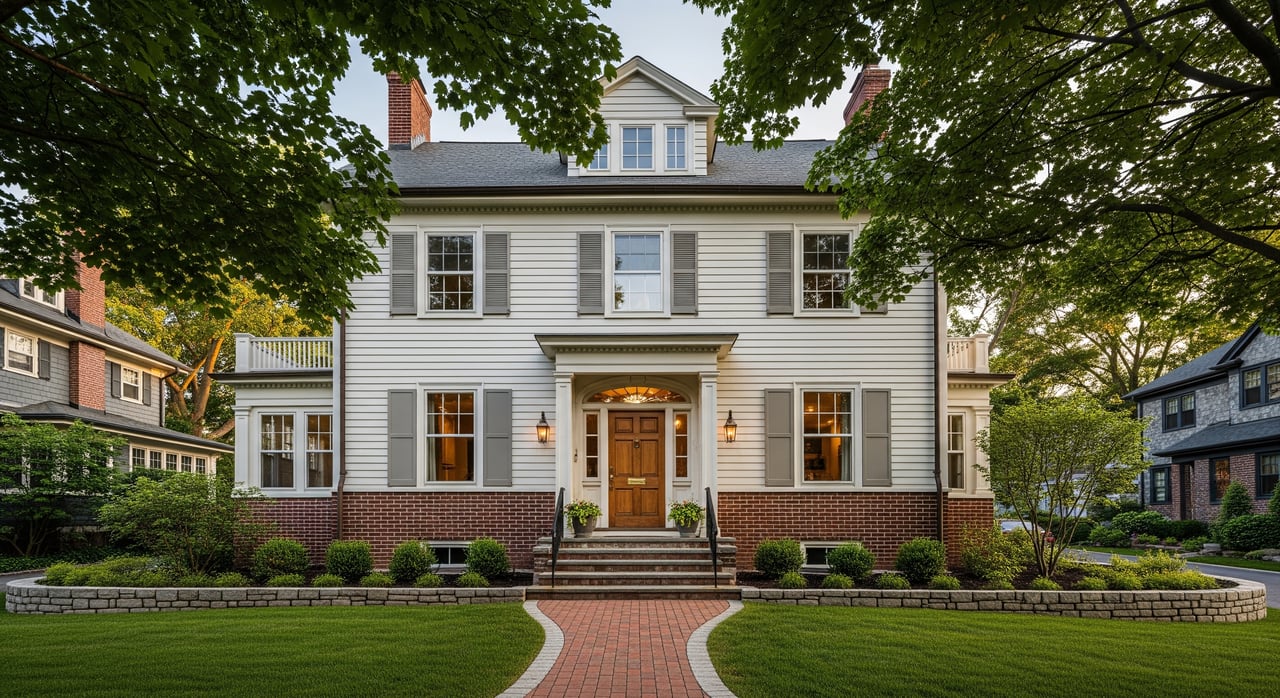
- What you notice: two stories, a centered front door, and evenly spaced, multi‑pane windows. Some are clapboard. Others are brick. Later Federal examples often show refined door surrounds. See style cues in This Old House’s overview.
- Inside: a center‑hall plan with formal rooms to each side and bedrooms upstairs. The original kitchen often sat in a rear wing. The layout gives definition but can feel segmented compared with modern open plans.
- Renovation notes: closets can be small, and mechanicals may be vintage. Opening rooms often means moving load‑bearing walls and rerouting systems. Inside work is usually easier to permit than exterior changes in the historic district. Exterior work visible from the street requires a Certificate of Appropriateness. Review the Historic District Commission handbook.
Cape Cod and 1½‑story Capes
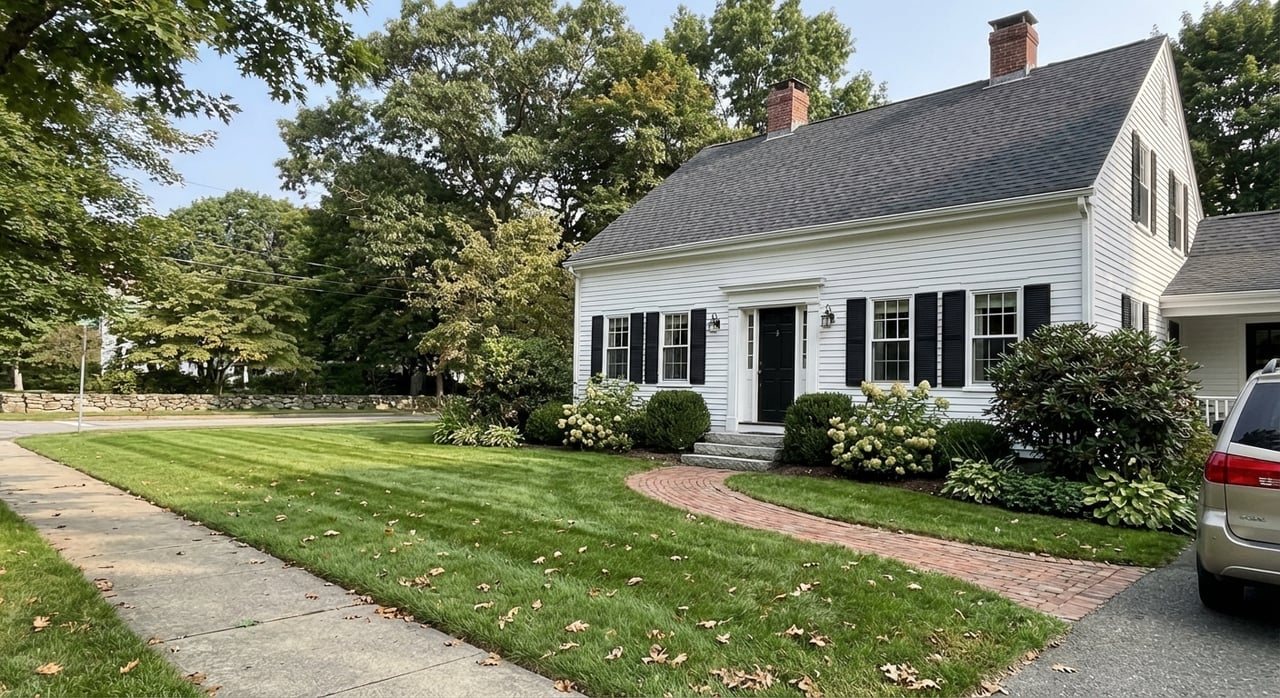
- What you notice: a compact, gabled form with a central or off‑center door. Later Capes often add dormers. See defining features in This Old House’s guide.
- Inside: efficient footprint. Many have first‑floor living and a finished attic for bedrooms. Heating can be efficient, but first‑floor area is smaller than a two‑story Colonial.
- Renovation notes: Rear additions and larger dormers can unlock modern bedrooms and baths. In the historic district, visible changes are reviewed by the HDC.
Victorian styles: Queen Anne, Italianate, Second Empire
- What you notice: decorative trim, wraparound porches, bay windows, and sometimes turrets. These homes appear in smaller clusters in older in‑town streets.
- Inside: higher ceilings in main rooms, irregular room shapes, and detailed woodwork. Renovations can be costlier if you preserve original finishes. See style hallmarks in This Old House’s overview.
Colonial Revival and Dutch Colonial
- What you notice: early‑ to mid‑20th‑century homes that nod to Colonial symmetry, sometimes with gambrel roofs in Dutch Colonials.
- Inside: generally more modern framing and layouts than true 18th‑century houses, which makes kitchen and bath updates more straightforward. See style traits in This Old House’s guide.
Bungalows and Craftsman
- What you notice: low, horizontal lines, wide porches, and exposed rafter tails.
- Inside: built‑ins, efficient use of space, and warm millwork. Respecting original trim during a renovation helps preserve value. Mechanical upgrades are usually straightforward. Learn features in This Old House’s overview.
Ranch, Raised Ranch, and mid‑century
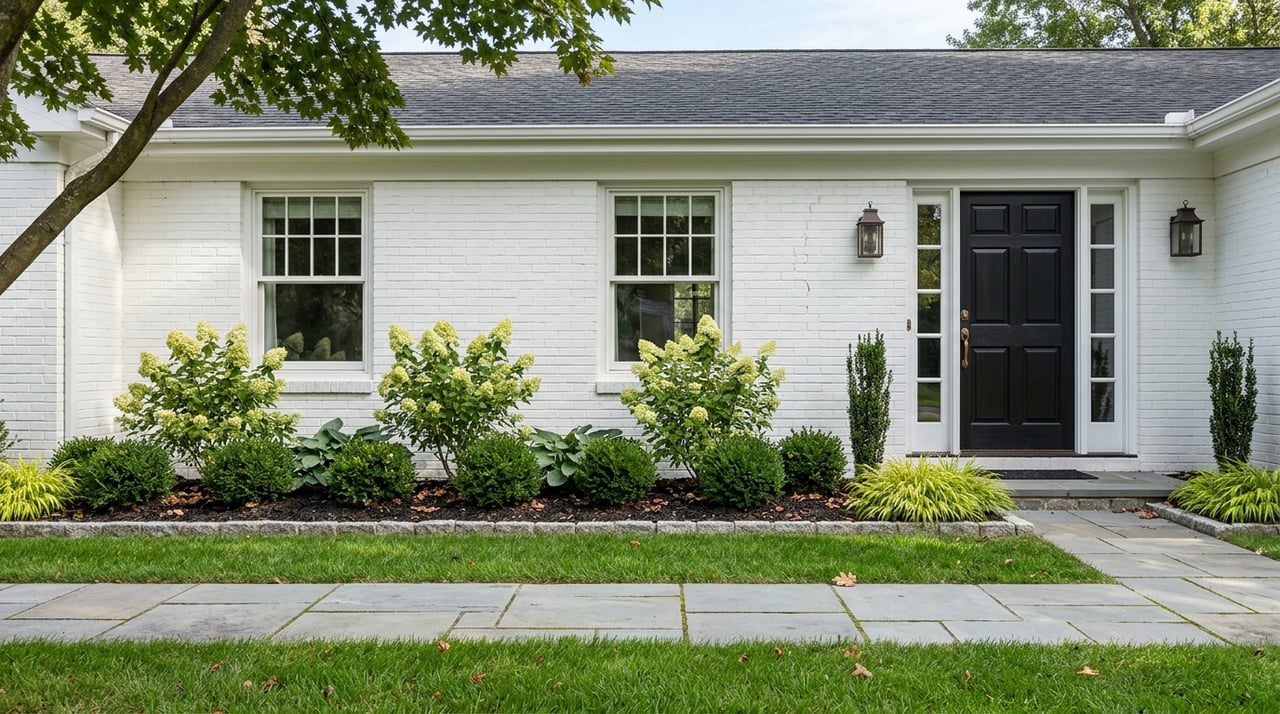
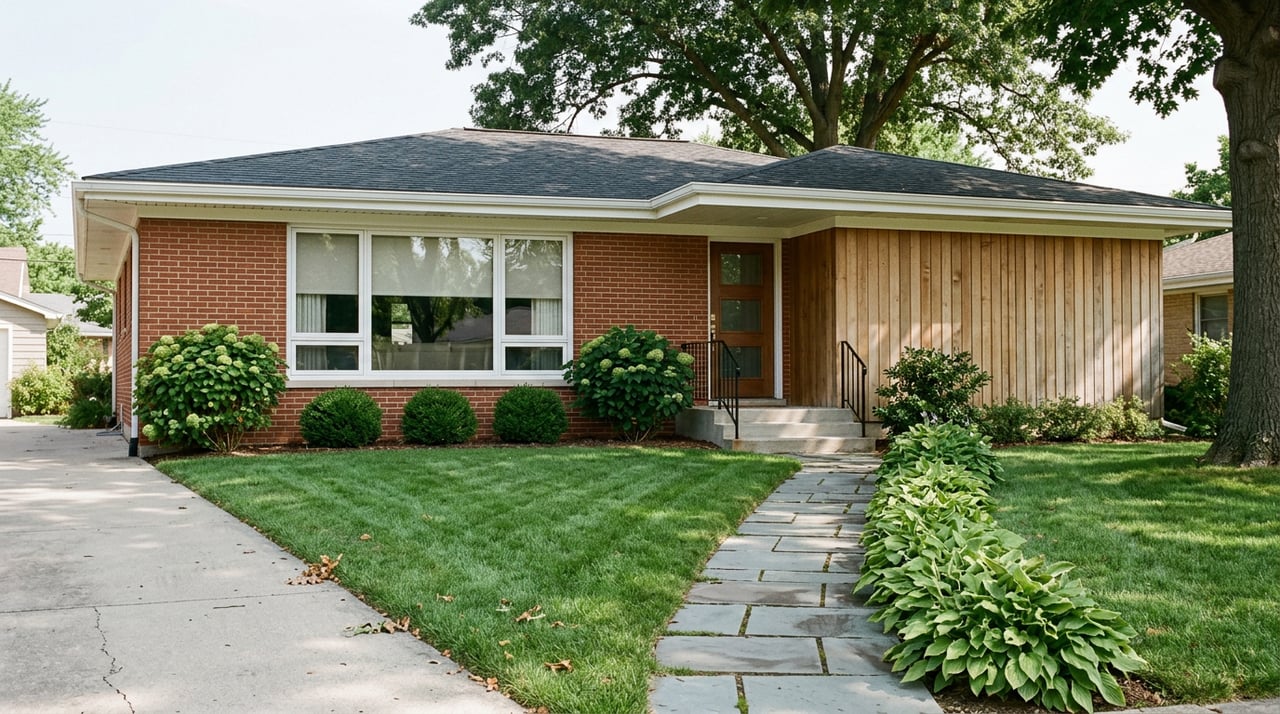
- What you notice: single‑story or split‑level forms common in post‑war neighborhoods across town.
- Inside: easier pathways to open‑plan living, bigger closets than earlier eras, and often attached garages.
- Renovation notes: many still run on older oil systems or original ductwork. Planning for energy and mechanical upgrades is common. The POCD’s housing snapshot highlights the town’s post‑war inventory mix; see the POCD.
Two‑flats and small multifamily
- Where they fit: scattered in older New England streets. They can support multi‑generational living or rental income. Always check local rules. Start with the town’s Zoning page.
Colonial vs Cape vs Ranch
Use this quick comparison to match a style to your lifestyle.
| Style | Typical bedrooms | Storage feel | Single‑floor living | Renovation difficulty |
|---|---|---|---|---|
| Colonial | 3–4 upstairs | Limited original closets; attic/basement help | No | Medium to high if opening walls |
| Cape | 2 on first, 1–2 in attic | Compact; dormers add space | Partial | Medium; dormers/additions require design care |
| Ranch | 3 on main level | Larger closets; garage storage | Yes | Low to medium; great for open plans |
Style traits summarized from This Old House’s style guide.
Renovation realities to plan for
Older homes in Wethersfield offer character and solid bones. They also come with predictable to‑do lists.
- Lead‑safe work: Many homes predate 1978. If you disturb painted surfaces, the EPA’s Renovation, Repair and Painting rule applies. Hire an RRP‑certified contractor and follow lead‑safe practices. See the EPA summary of the RRP rule.
- Electrical: Knob‑and‑tube or other old wiring can appear in pre‑1940s houses, and insurers may require updates. Have a licensed electrician evaluate panel capacity, grounding, and visible circuits during inspection. Learn common issues in This Old House’s wiring explainer.
- Plumbing: Cast‑iron drains and galvanized supply lines are common in older homes. Re‑piping to modern PEX or PVC varies in scope based on access. See pipe types and lifespans in This Old House’s plumbing guide.
- Heating systems: Many older Connecticut homes use oil‑fired boilers and radiators. Plan to evaluate boiler age, tank status, and the feasibility of gas or heat‑pump conversions. See a practical look at system upgrades in this This Old House renovation case.
- Insulation and windows: Original single‑pane windows and uninsulated walls or attics are common. Insulation, air sealing, and HVAC upgrades can make a big comfort difference. If exterior changes are visible from the street in the historic district, expect HDC review.
- Flood awareness: Properties near the Connecticut River and Wethersfield Cove can sit in mapped floodplains. Before you buy, check the FEMA Flood Map Service Center and the town’s GIS.
Historic district quick guide
If you are eyeing a home inside the Old Wethersfield Historic District, plan for an extra, well‑defined step before building permits: a Certificate of Appropriateness from the Historic District Commission for any exterior change visible from a public way.
- What needs approval: siding and trim, roofing, windows and doors, porches, additions, and visible mechanicals or solar equipment. Interior work that is not visible from the street usually does not require HDC review, but normal building permits still apply.
- Where to start: read the town’s HDC handbook, then contact the HDC for pre‑application guidance. Many owners do this early to confirm materials and timelines.
- Zoning also applies: even with an HDC approval, you must meet zoning setbacks, coverage, and parking rules. Review the town’s Zoning page and speak with staff if you plan an addition.
Neighborhood snapshot: Old vs. South Wethersfield
- Old Wethersfield: Historic streets near Main Street with a strong Colonial and Federal presence. Lots vary, walkability to Main Street shops and the Cove is a draw, and preservation rules shape exterior projects.
- South Wethersfield and post‑war areas: Suburban neighborhoods with many ranches, split‑levels, and Colonial Revivals. Larger closets and attached garages are common. These areas often allow easier interior reconfiguration for open living.
- Limited new construction: Town planning data shows a small share of post‑2000 homes, so buyers craving brand‑new houses will find fewer choices in Wethersfield than in some nearby suburbs. See the town’s POCD.
Market snapshot: what to expect
Recent third‑party snapshots placed Wethersfield’s median values in the mid‑$300s to low‑$400s range, depending on the source and month. Neighborhoods vary, and numbers change often. If you want the most current pricing and days on market, check recent MLS data with a local broker before you write an offer.
Buyer on‑site checklist
- Confirm year built and plan for lead‑safe practices if the home predates 1978. See the EPA’s RRP rule.
- Ask the seller for records of past Certificates of Appropriateness and permits for exterior work. Review the HDC handbook.
- Inspect the attic and basement for insulation, moisture, ventilation, and foundation conditions. Style traits and improvement ideas: This Old House’s style guide.
- Evaluate heat source, boiler or furnace age, and water heater condition. Consider long‑term energy upgrades; see a practical upgrade path in this TOH renovation example.
- Check the FEMA flood map for any parcel near the river or cove.
- Sort “easy” vs. “hard” changes. Easy: paint, floor refinishing, cosmetic kitchen updates. Harder: moving kitchens or structural walls, full re‑wiring, foundation or grading fixes, and any exterior change visible from public ways in the historic district.
Get local, renovation‑savvy help
Choosing between a Colonial, a Cape, or a ranch comes down to how you live, what you want to change, and what the rules allow. If you would like a room‑by‑room assessment of layout options, permit paths, and upgrade priorities before you buy, we can help. Our team combines local market insight with hands‑on renovation experience, so you get a clear plan from offer to move‑in.
Ready to tour, compare floor plans, and map a smart upgrade path? Connect with Cathy Lapierre to Schedule Your Free Consultation.
FAQs
What is considered “exterior work” in Old Wethersfield?
- Any change visible from a public way typically needs Historic District Commission approval, including siding, windows, doors, roofs, porches, additions, and visible mechanicals; review the town’s HDC handbook before planning.
Are ranch homes common outside the historic core?
- Yes, post‑war neighborhoods across town include many ranch and split‑level homes, which appeal to buyers seeking single‑floor living and easier open‑plan updates.
Can I add dormers to a Cape in the historic district?
- Often yes, but you need a Certificate of Appropriateness if the dormers are visible from the street; meet with the HDC early to confirm scale, placement, and materials.
What are typical system issues in older Colonials?
- Expect to evaluate wiring, plumbing, insulation, and heating systems; many homes predate 1978, so plan for lead‑safe practices and possible electrical and mechanical upgrades.
Do parts of Wethersfield fall in a flood zone?
- Properties near Wethersfield Cove and the Connecticut River can be in mapped floodplains; check the FEMA Flood Map Service Center and confirm with town resources before you buy.
How do Colonial and Colonial Revival homes differ for buyers?
- Colonial Revival homes are later interpretations with more modern framing and layouts, which can make kitchen and bath updates more straightforward than in 18th‑century originals.