Love the charm of a 1920s Colonial or a cozy Cape, but worried about what might lurk behind the walls? You are not alone. Many West Hartford buyers want character and walkable streets, yet also need clear insight on maintenance, safety, and costs. In this guide, you will learn what “older” means in West Hartford, what to inspect, how to budget, and how to plan your renovation in the right order so you can buy with confidence. Let’s dive in.
What “older West Hartford” means
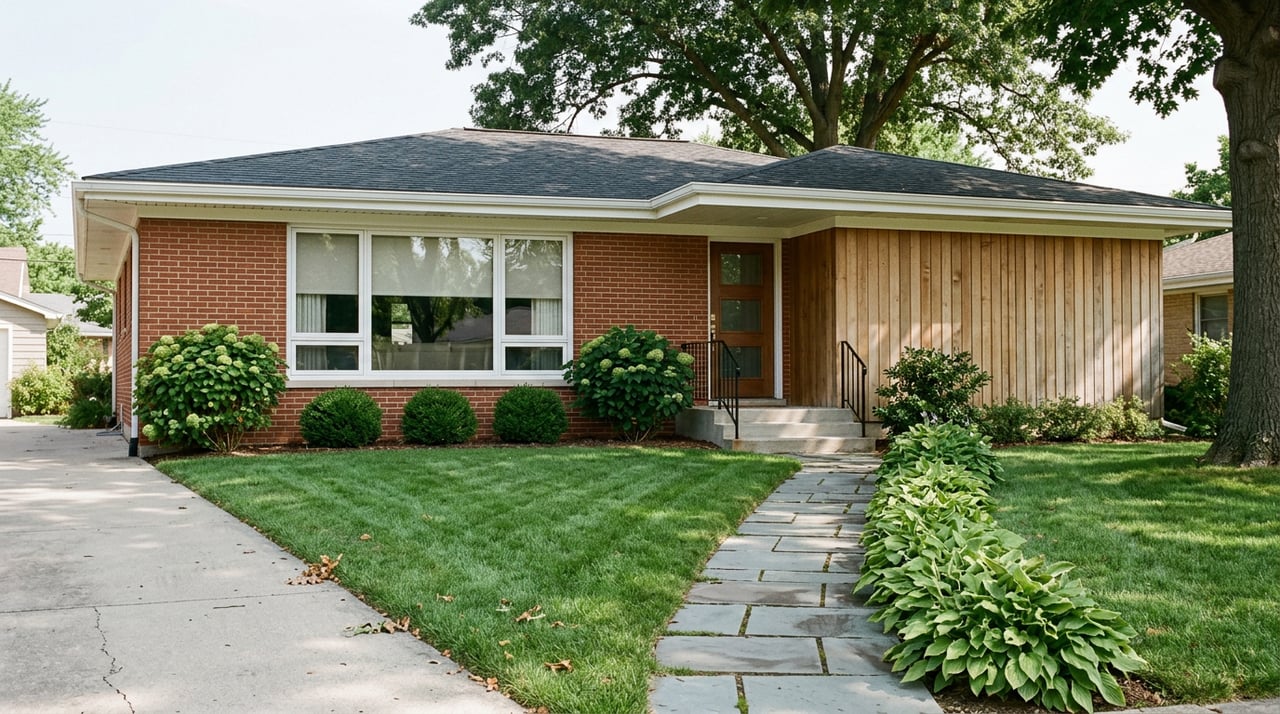
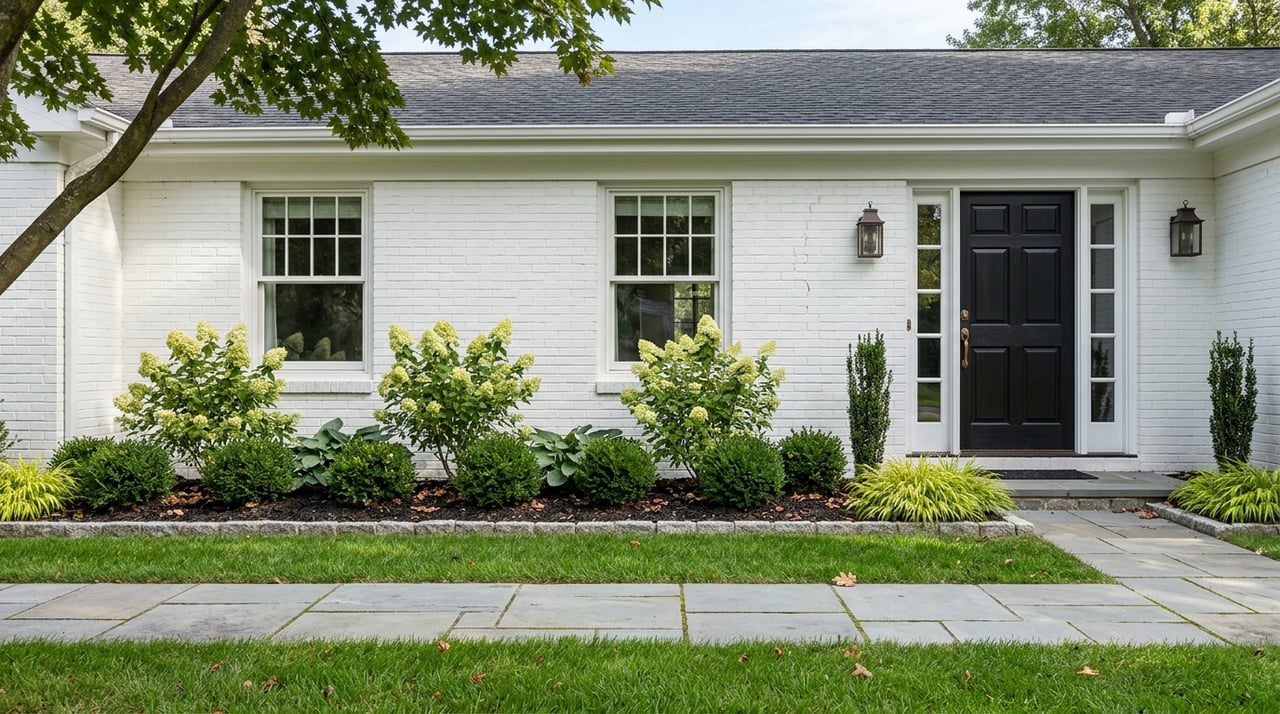
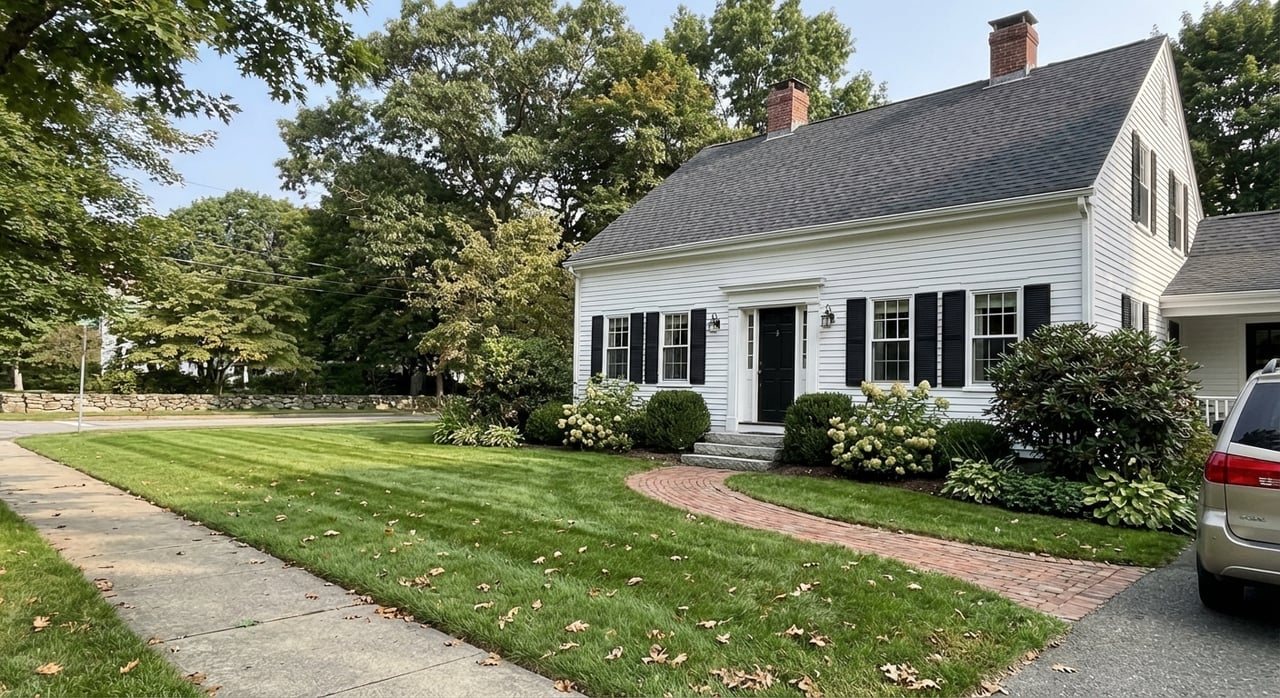
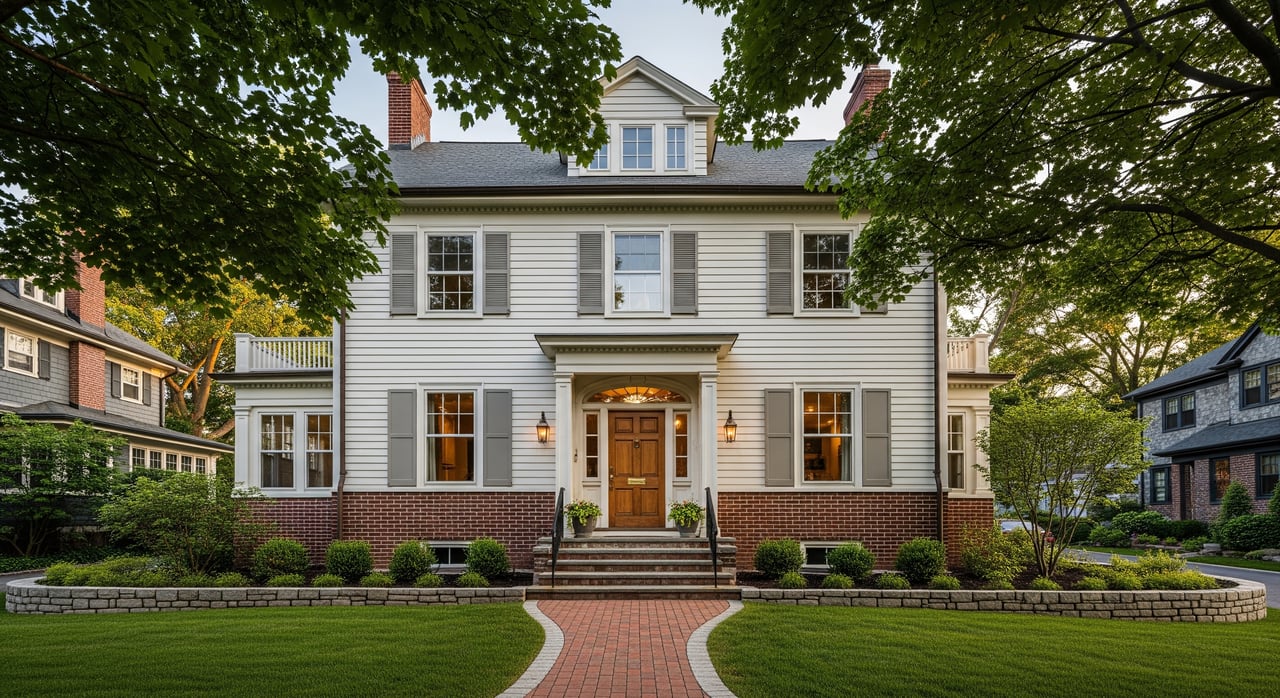
West Hartford has many single-family homes built from roughly 1900 to 1950. You will see center-hall and side-hall Colonials, Dutch Colonials with gambrel roofs, Cape Cods, Tudors, Bungalows, and some late-Victorian or eclectic revival styles. Typical features include porches, plaster-on-lathe walls, original wood floors and trim, and smaller closets and kitchens compared with newer construction.
Lot sizes vary by neighborhood. Closer to the Center you may see smaller lots, while established residential areas often have larger ones. If you plan to add space, confirm zoning, setback rules, and any historic review requirements before you start.
West Hartford is a mature, fully built community with municipal services. Still, verify each property’s connections and understand how building permits, property tax assessment, school district boundaries, and any local historic review processes could affect your cost and timeline.
Common systems and where issues hide
Older homes reward care and planning. Here are the systems you will want to understand before you buy.
Electrical
Older panels in the 60 to 100 amp range, fuse boxes, and older wiring types are common. Some houses still have knob-and-tube or cloth-insulated wiring, and mid-century updates sometimes used aluminum branch wiring. These issues can limit insurance options and lender approvals. You may also find ungrounded outlets and unprotected circuits that need upgrades to handle modern loads.
Heating and plumbing
Many homes use cast-iron steam or hot-water radiators with older boilers, often originally oil-fired. Radiators last, but original boilers can be inefficient and costly to maintain. Plumbing can include galvanized steel that corrodes and restricts flow, older drain lines, and copper in mid-century updates. Confirm whether the home is on municipal sewer or a private septic system.
Foundations and moisture
Stone, brick, or concrete foundations are typical. Watch for mortar erosion, settlement, and water infiltration. Older grading and downspouts sometimes push water toward the foundation. Look for signs of damp basements, springtime groundwater, sump pumps, or French drains. Moisture is the root cause of many other problems.
Roofs and exterior
You will see asphalt shingles, wood shakes, and the occasional slate roof. Slate lasts a long time but is costly to repair. Wood shingles and shakes may be near the end of their life. Original wood cladding and windows can be drafty and under-insulated, which affects comfort and energy bills.
Hazardous materials and health risks
Homes built before 1978 can contain lead-based paint. Asbestos may be present in older insulation, pipe wrap, floor tiles, and boiler or duct insulation. Connecticut has areas with elevated radon potential, so testing is recommended for any home purchase. Mold can follow moisture in basements, crawlspaces, and unvented attics. Plan for testing and safe handling before you disturb suspect materials.
Insulation and energy performance
Many older homes lack modern wall insulation and have single-pane windows with air leakage. Attic insulation is often below current standards. Air sealing and insulation upgrades can make a big difference once safety and moisture issues are addressed.
What to inspect before you commit
Start with a comprehensive plan. A full inspection is your baseline, then add specialists where needed.
Full home inspection
Schedule a general home inspection that covers structure, roof, mechanical systems, plumbing, electrical, and visible hazards. This sets the stage for targeted follow-ups.
Specialty inspections to consider
- Electrical evaluation by a licensed electrician to assess panel capacity and any hidden knob-and-tube or aluminum wiring.
- HVAC and boiler inspection for service history, combustion safety, and fuel conversion feasibility.
- Chimney and fireplace inspection to evaluate masonry, liners, and water intrusion.
- Roof inspection or estimate to estimate remaining life and decking condition.
- Structural engineer review if you see cracks, settlement, angled floors, or significant water infiltration.
- Sewer scope, especially if older clay laterals may be present.
- Termite and wood-destroying insect inspection.
- Radon testing with a short-term test during your inspection window.
- Lead-based paint risk assessment for pre-1978 homes, and water lead sampling if service lines or solder are suspect.
- Asbestos sampling where friable materials may be disturbed during renovation.
- Well water test and septic inspection if the property is not on municipal services.
Permit and title checks
Verify past permits for additions and system updates. Unpermitted work can add cost and delay. Confirm lot lines, easements, any conservation restrictions, and whether a local historic district overlay could limit exterior changes.
Insurance and lender pre-checks
Talk to insurers and lenders early if you suspect knob-and-tube wiring, aluminum wiring, clay sewer laterals, or known hazards. Some carriers and loan programs have restrictions that can change your budget or timing.
Budgeting for inspections and repairs
Prices vary by scope and contractor, but the ranges below help you plan.
Typical inspection and testing costs
- General home inspection: $300 to $600
- Sewer scope: $150 to $400
- Radon test: $100 to $250
- Lead or asbestos sampling: $100 to $400 per sample, plus lab fees
- Chimney, pest, or HVAC specialty inspections: $100 to $400 each
Typical repair and replacement ranges
- Electrical service upgrade: $2,000 to $10,000; full rewires can cost more
- Knob-and-tube abatement or rewiring: $5,000 to $25,000, depending on scope
- Roof replacement: asphalt shingles $7,000 to $20,000; slate or specialty materials higher
- Boiler replacement: $4,000 to $15,000; fuel conversions or heat pumps can add cost and may qualify for incentives
- Foundation or drainage remedies: $2,000 to $30,000, depending on extent
- Whole-house window replacement: $8,000 to $30,000
- Kitchen renovation: $20,000 to $80,000 plus; bathrooms $10,000 to $40,000 plus
- Insulation and air sealing: attic insulation $1,000 to $5,000; wall insulation more
Financing tools for renovations
Renovation mortgages can roll repair costs into your loan. Options include FHA 203(k) and Fannie Mae HomeStyle Renovation, subject to lender requirements and property condition. You can also pair a conventional mortgage with a HELOC or an unsecured renovation loan. First-time buyers may find assistance through Connecticut programs; confirm availability with your lender.
Negotiation strategies at purchase
Use inspection findings to request seller repairs, concessions, or a price reduction. You can also negotiate a credit or an escrow holdback for specific remediation items. For major systems near end of life, a price adjustment that reflects replacement costs is common.
Plan your renovation in the right order
Older homes reward a smart sequence. Focus on safety and water first, then protect the shell, then update systems, then finish.
Priority sequence that works
- Address immediate safety and code issues, including electrical hazards and active structural problems.
- Fix moisture sources and drainage, including grading, gutters and downspouts, foundation cracks, and sump pump needs.
- Repair the roof, chimney, and exterior envelope so water stays out.
- Upgrade mechanical systems and electrical service to support modern loads.
- Improve insulation, air sealing, and ventilation to increase comfort and reduce energy bills.
- Complete interior finishes and cosmetic updates, including kitchens and baths.
Preserve character where it counts
Retaining original trim, wood floors, and windows can maintain the look you love. Repairing wooden sash with high-quality storm windows can improve efficiency without a full replacement, and it may be required in historic districts. Balance restoration and replacement based on condition, cost, and any local review rules.
Permits and timing expectations
Exterior changes, structural work, and mechanical replacements usually require permits. Build in time for municipal review and any historic commission approvals. Contractors often book weeks to months out, and major projects can last several months. Plan for temporary living arrangements if key systems will be offline.
Insurance, lenders, and resale
Insurers may charge higher premiums or exclude coverage when older systems are present. Get quotes early if you suspect issues like knob-and-tube wiring or ungrounded outlets. Lenders may require repairs for unsafe electrical systems, active leaks, or structural defects before final loan approval.
In West Hartford, buyers who modernize mechanicals and correct moisture or hazard issues tend to protect and often increase resale value, especially when updates preserve period character. If schools are a consideration for your household or for eventual resale, review district information neutrally and confirm boundaries during your search.
Next steps for West Hartford buyers
- Ask listing agents about known hazards, recent mechanical replacements, and whether permits exist for past work.
- Before you write an offer, budget for a thorough inspection and get rough quotes for likely big-ticket items like the roof, boiler, or foundation repairs.
- Include an inspection contingency that allows specialist follow-ups such as sewer scopes, radon testing, and chimney evaluations.
- Talk to a lender about renovation-friendly financing if you expect significant updates.
- Contact the West Hartford Building Division and Town Clerk to review permit history, zoning, and any historic overlays.
- Map your renovation sequence and get multiple bids from licensed contractors experienced with older New England homes.
If you want expert eyes on an older home, you do not have to go it alone. LAZA Properties pairs local market know-how with hands-on renovation expertise. We can help you assess scope, prioritize safety, connect with licensed pros, and plan a realistic budget and timeline. Ready to walk through a home with a practical plan? Connect with Cathy Lapierre to get started.
FAQs
Should I worry about lead paint in pre-1978 West Hartford homes?
- Yes. Homes built before 1978 can contain lead-based paint, so plan for testing and use lead-safe work practices if paint will be disturbed.
How much should I budget for surprises in an older home purchase?
- A 10 to 25 percent contingency on your renovation budget is a conservative starting point, with more for extensive projects.
Can I finance major renovations when buying in West Hartford?
- Yes. Renovation mortgages like FHA 203(k) and Fannie Mae HomeStyle, or a mortgage plus a HELOC, can fund repairs, subject to lender approval.
Is radon common in Connecticut and should I test in West Hartford?
- Connecticut has elevated radon potential in areas, so a radon test during your inspection period is recommended.
Will historic district rules limit exterior changes to older homes?
- Possibly. Some areas have design review or historic oversight, so check with West Hartford planning or historic review authorities before planning exterior work.